Quantum-safe telecom, from IT to RAN, core and satellite

Operators carry everyone else’s secrets and run equipment for a decade or more. Our three-layer assessment finds the quantum-vulnerable cryptography in your IT, your mobile network and your satellite links, and turns it into a roadmap your vendors and regulators can work with.
IT · RAN, core, OSS/BSS · satellite
3 layers IT · RAN, core, OSS/BSS · satellite
EU date for high-risk use cases, critical infrastructure included
End-2030 EU date for high-risk use cases, critical infrastructure included
the industry guidance we map every finding to
GSMA PQ.03 the industry guidance we map every finding to

Why it matters now

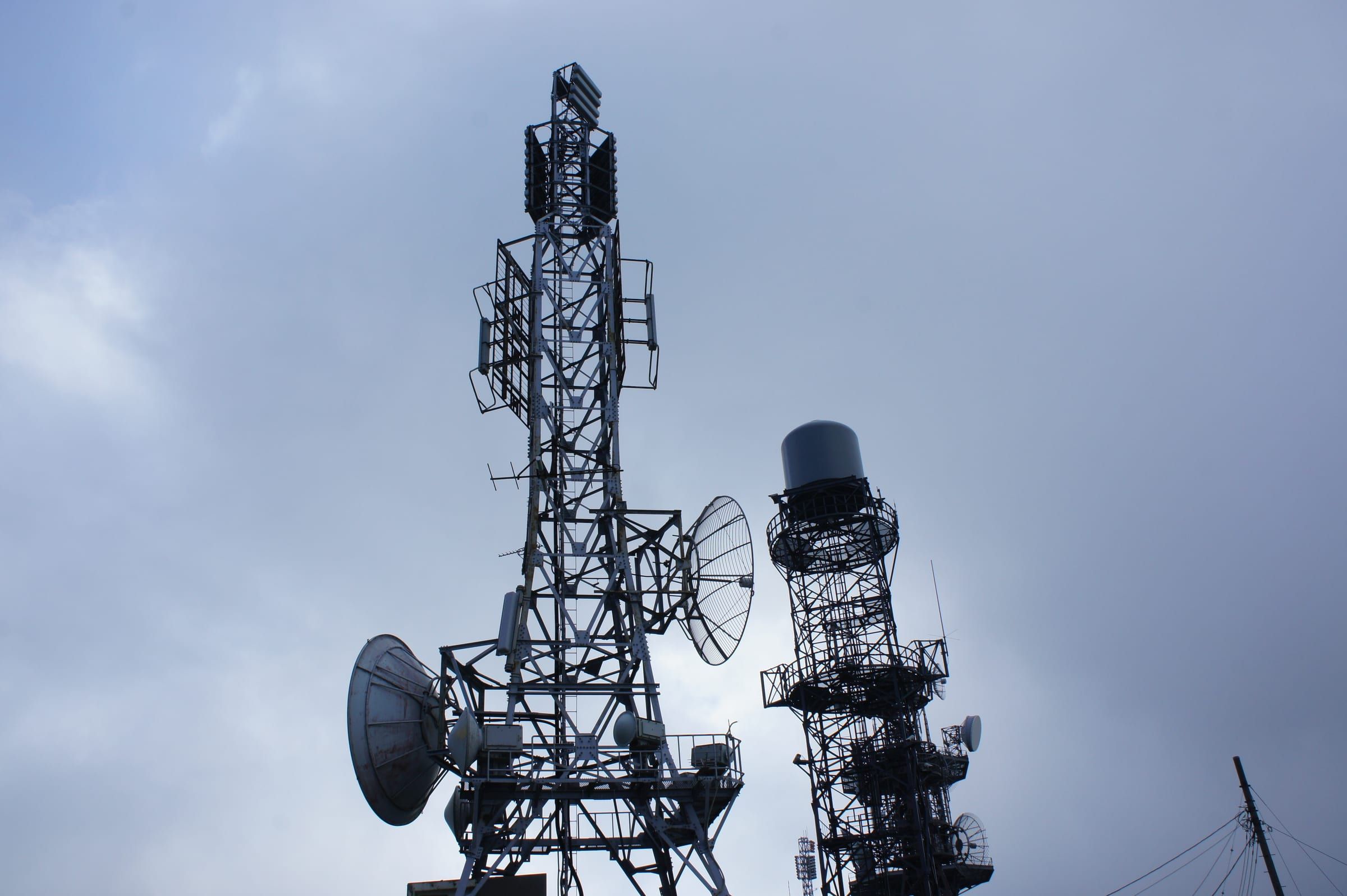
Telecom towers with radio antennas and microwave dishes against the sky
01

You carry everyone’s secrets

Subscriber identities, signalling, enterprise and government traffic cross your network. Recorded today, readable once a quantum computer exists.

02

Equipment lives long

Base stations and core platforms run for a decade or more, satellites for longer. Their cryptography moves with vendor releases, so planning has to start early.

03

Interconnect moves together

Roaming partners, IPX carriers and SEPPs have to change in step. GSMA PQ.05 covers roaming; your plan needs your partners’ dates.

04

Regulation and revenue

NIS2 makes operators essential entities with a cryptography policy to keep. Quantum-safe connectivity is also something enterprise and public-sector customers now ask to buy.

The three layers we assess

Each card is a domain we inventory. Its coloured edge shows how exposed its cryptography is; HNDL marks links worth recording now to read later.

LAYER 1 · IT LAYER 2 · RAN, CORE, OSS/BSS LAYER 3 · SATELLITE Corporate IT and identity TLS · Kerberos · PKI Cloud and data centres TLS · IPsec · HSM/KMS Customer portals and apps TLS 1.3 · OAuth Code and firmware signing RSA/ECDSA · HSM Devices, SIM andeSIM SUCI ECIES · eSIM PKI RAN and O-RAN NETCONF/SSH · TLS ·CMPv2 Backhaul andtransport IPsec/IKEv2 · MACsec 5G and 4G core SBA TLS · OAuth JWS SEPP, roaming andIPX N32 TLS · PRINS OSS/BSS NETCONF · SNMPv3 · TLS User terminals and NTN Firmware RSA/ECDSA · 5G NTN Satellites andinter-satellite links CCSDS SDLS · ISL Gateways and teleports IPsec · TLS Mission control and TT&C TLS · SDLS-EP (OTAR) HNDL HNDL HNDL HNDL
Public-key cryptography a quantum computer breaks Symmetric keys or legacy algorithms to check HNDLTraffic worth recording today to read later Illustrative, a typical estate rather than a client’s.

Protocol coverage, layer by layer

Layer 1 · IT

Corporate IT, cloud and customer-facing systems

Web and APIs
TLS 1.0–1.3 · mTLS · HTTPS APIs
Remote access
SSH · IPsec/IKEv2 VPN
Identity and PKI
X.509 CAs · OCSP/CRL · Kerberos/AD · LDAPS
Email and DNS
S/MIME · SMTP STARTTLS · DNSSEC
Keys and signing
HSM/KMS · RSA/ECDSA · TDE
Cloud and containers
Kubernetes mTLS · Service Mesh · Ingress TLS · KMS

Layer 2 · RAN, core, OSS/BSS

The mobile network, from the subscriber to the interconnect

Radio access network
Backhaul IPsec/IKEv2 (NDS/IP, TS 33.210) · CMPv2 (TS 33.310) · F1 · E1 · Xn · NG
Open RAN interfaces
Open Fronthaul M-Plane (NETCONF/SSH, TLS) · O1 · A1 · E2 (TLS, IPsec)
5G and 4G core
SBA HTTP/2 + TLS · OAuth 2.0/JWS · N32 SEPP (TLS, PRINS) · Diameter (TLS/DTLS/IPsec)
Interconnect, roaming and voice
GTP · IPX/GRX · SIP/IMS (TLS, IPsec) · LI (ETSI X1/X2/X3) · SS7/MAP
Subscriber identity, SIM and eSIM
SUCI/ECIES (X25519, P-256) · MILENAGE/TUAK · eSIM RSP PKI (SGP.22/SGP.32) · SIM OTA (SCP80/81)
OSS/BSS and transport
NETCONF/SSH · SNMPv3 · REST/TLS · Kafka/AMQP TLS · RADIUS/TACACS+ · MACsec · SD-WAN

Layer 3 · Satellite

Ground segment, space links and terminals

Ground segment
Gateway/Teleport IPsec · NOC/MOC TLS · SSH/SNMP
Space links
TT&C: CCSDS SDLS · SDLS-EP (OTAR) · DVB-S2X/RCS2
Terminals and NTN
VSAT/NTN TLS/SSH · Firmware RSA/ECDSA · 3GPP NTN
Dependencies
Galileo OSNMA (ECDSA) · GSMA PQ.07

How we collect the evidence

  • Active probing of TLS, SSH and IKE endpoints
  • Passive analysis of traffic captures: handshakes only, never payload
  • Agents on servers and network functions
  • Configuration and vendor exports: NETCONF, CA and HSM inventories

What you receive

  • A CBOM per layer and domain, in CycloneDX 1.7
  • Risk-ranked findings with HNDL flags
  • A vendor and roaming-partner readiness matrix
  • A migration roadmap mapped to GSMA PQ.03 and 3GPP releases
  • A board summary and an evidence pack for regulators

An actionable plan, not a list of intentions

Every action in the roadmap says what to change, why - the finding behind it - who owns it, how long it takes and in which quarter. Opened up, it adds the steps, what it waits on, how done is proven and which rule it serves.

Migration roadmap Telecom · Q1–Q4 2027
Estimated completion
Q4 2029
Actions this year
12
Open work
40engineer-weeks
HNDL links still open
2
PreparationBaseline understandingPlanning and executionMonitoring and evaluation
Q1 2027 10 wk
A-01 Done

Name one PQC programme owner across IT and network

Ownership split between IT and network

CTO office · 2 wk

A-02 In progress

Complete the CBOM for layers 1 and 2

RAN, core, interconnect and OSS/BSS

Network security · 6 wk

A-03

Map the links that carry long-lived data

Signalling, subscriber and enterprise traffic

Security architecture · 2 wk

Q2 2027 11 wk
A-04 HNDLVendor

Hybrid TLS on SEPP N32-c with the core vendor

F-003 · ECDHE P-256 only to 40 roaming partners

Core network · 6 wk

A-05 Vendor

Get PQC roadmaps from RAN, core and OSS vendors

7 network vendors, 2 with published dates

Procurement · 3 wk

A-06

Move OSS northbound APIs off TLS 1.0

F-018 · 14 interfaces on TLS 1.0

OSS team · 2 wk

Q3 2027 13 wk
A-07 HNDLVendor

Hybrid IKEv2 on backhaul security gateways

F-007 · DH group 14 on 3,200 RAN tunnels

Transport · 8 wk

A-08

Agree PQC dates with the top 20 roaming partners

GSMA PQ.05 roaming guidance

Wholesale · 3 wk

A-09

Plan the SUCI home-network key migration

ECIES profile A on every subscriber profile

Core network · 2 wk

Q4 2027 8 wk
A-10 Vendor

Move RAN software signing to LMS or ML-DSA

F-022 · RSA-2048 signing key valid 15 years

RAN engineering · 5 wk

A-11

Re-scan and update the CBOM

Confirm the Q2–Q3 changes

Network security · 1 wk

A-12

Evidence pack for NIS2 and TSA reviews

Annual security review

Regulatory affairs · 2 wk

A-04

Hybrid TLS on SEPP N32-c with the core vendor

Core network · 6 engineer-weeks · Q2 2027

HNDLVendor

Why

F-003 · N32-c TLS to 40 roaming partners negotiates ECDHE P-256 only. Signalling and subscriber data cross it (HNDL).

Steps

  1. Confirm hybrid TLS in the SEPP vendor’s next release
  2. Enable X25519MLKEM768 with a classical fallback
  3. Test with three pilot partners over IPX
  4. Roll out partner by partner, recording each partner’s date
  5. Re-scan
Waits on
SEPP release with ML-KEM, and each partner’s SEPP
Done when
Hybrid on N32-c with every partner that supports it, and a dated plan for the rest
Serves
GSMA PQ.05 · NIS2 Art. 21(2)(h)
Illustrative: actions, findings and figures are invented for this page, in the format the platform produces.

See what your network negotiates today