Quantum-safe energy, for assets that run for decades

Substations, control systems and meters stay in service for decades, and much of their cryptography can only change with the hardware. We map it across IT and OT, rank it by its impact on safety and supply, and plan the migration around your maintenance windows.
EU date for high-risk use cases, critical infrastructure included
End-2030 EU date for high-risk use cases, critical infrastructure included
energy is a sector of high criticality, with a duty to set a cryptography policy
NIS2 energy is a sector of high criticality, with a duty to set a cryptography policy
service life of substation and metering equipment
Decades service life of substation and metering equipment

Why it matters now

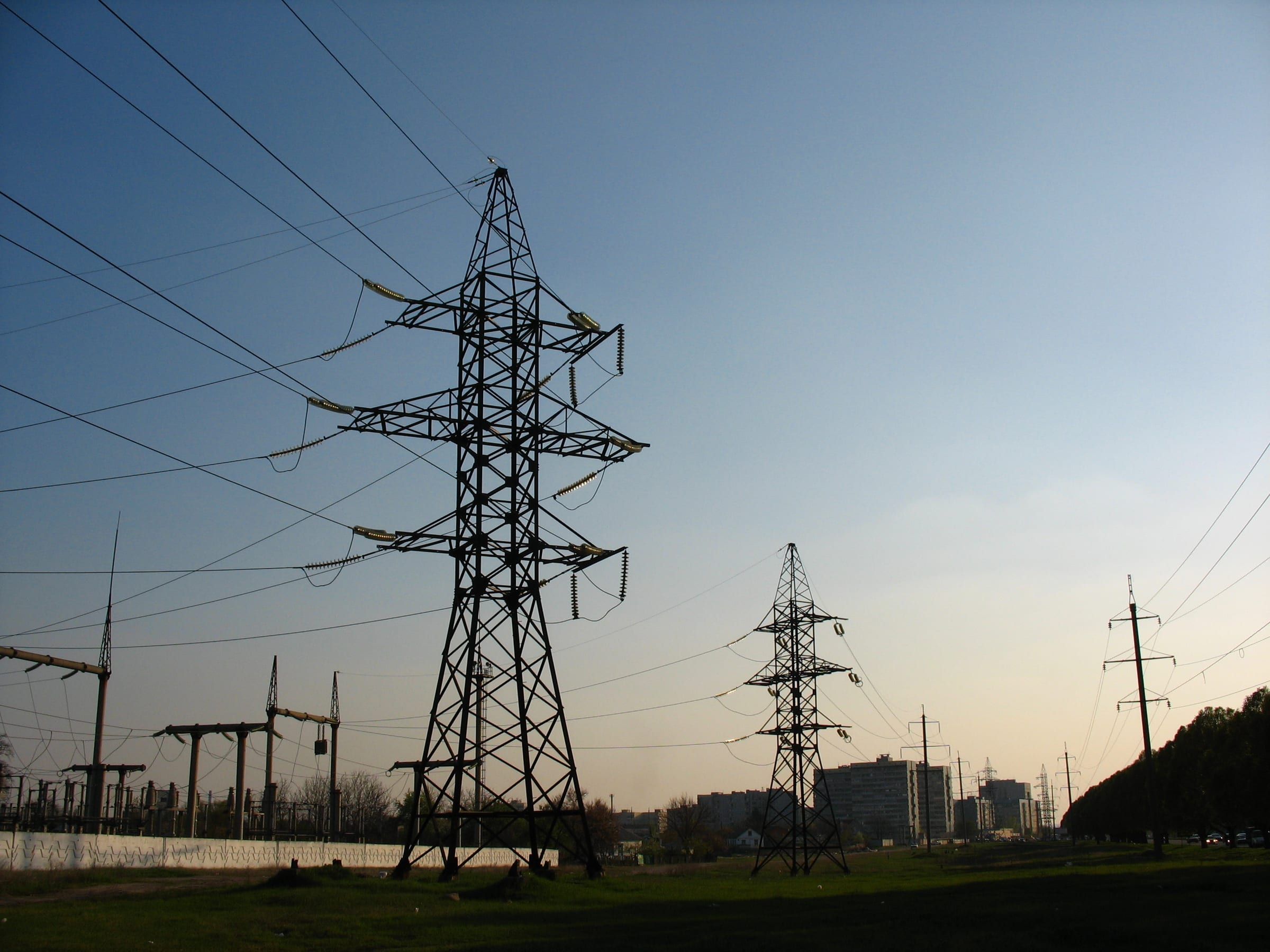
High-voltage transmission towers and power lines at dusk
01

Hardware you cannot patch

Protection relays, RTUs and meters often encrypt and sign in firmware or dedicated chips. Where the hardware cannot do post-quantum cryptography, replacement has to be planned years ahead.

02

Firmware signing is the crown jewel

Whoever can forge a firmware signature can load code onto devices across the grid. Code-signing keys move to quantum-safe signatures first.

03

Real-time budgets

GOOSE messages and sampled values must arrive within milliseconds. Larger keys and signatures have to be tested against those budgets before they reach a substation.

04

Rules are tightening

NIS2 asks for a cryptography policy, the EU network code for cross-border electricity sets minimum controls, and the EU roadmap dates critical infrastructure for 2030.

Where the cryptography sits in a utility

Each card is a system we inventory, in IT and OT alike. Its coloured edge shows how exposed its cryptography is.

ENTERPRISE AND MARKET CONTROL CENTRE GRID AND EDGE Corporate IT and trading TLS · PKI · Kerberos TSOs and market partners TLS · IPsec · AS4 Vendors and remote access VPN · SSH SCADA and EMS OPC UA · TLS · PKI IT/OT boundary IPsec · TLS · SSH Firmware and code signing RSA/ECDSA · HSM Telecontrol network IEC 60870-5-104 · DNP3 · TLS Substations (IEC 61850) MMS/TLS · GOOSE/SV · GDOI RTUs and protection relays DNP3 SA · IEC 62351-5 Smart meters and gateways DLMS/COSEM · ECDSA/ECDH EV charging ISO 15118 · OCPP TLS Solar, storage and DER IEEE 2030.5 · TLS HNDL
Public-key cryptography a quantum computer breaks Symmetric keys or legacy algorithms to check HNDLTraffic worth recording today to read later Illustrative, a typical estate rather than a client’s.

What you receive

  • A CBOM across IT and OT, in CycloneDX 1.7
  • Risk-ranked findings with device lifetimes
  • A migration roadmap aligned with maintenance windows
  • Post-quantum requirements for your equipment tenders
  • Evidence for NIS2 and network-code reviews

An actionable plan, not a list of intentions

Every action in the roadmap says what to change, why - the finding behind it - who owns it, how long it takes and in which quarter. Opened up, it adds the steps, what it waits on, how done is proven and which rule it serves.

Migration roadmap Energy · Q1–Q4 2027
Estimated completion
Q4 2030
Actions this year
12
Open work
40engineer-weeks
HNDL links still open
2
PreparationBaseline understandingPlanning and executionMonitoring and evaluation
Q1 2027 11 wk
A-01 Done

Name an owner across IT and OT and adopt a cryptography policy

IT and OT plan cryptography separately

CISO · 2 wk

A-02 In progress

Complete the CBOM for IT and the control centre

SCADA, EMS and the IT/OT boundary

OT security · 5 wk

A-03

Record substation and RTU cryptography from config exports

No scanning in the field

Protection and control · 4 wk

Q2 2027 11 wk
A-04 HNDL

Hybrid IKEv2 VPN at the IT/OT boundary

F-005 · DH group 14 on DMZ tunnels

OT network · 6 wk

A-05

Write PQC requirements into substation and meter tenders

Equipment bought now runs past 2040

Procurement · 3 wk

A-06

Retire TLS 1.0 on SCADA web clients

F-016 · 11 clients on TLS 1.0

SCADA team · 2 wk

Q3 2027 13 wk
A-07

Move firmware signing to LMS or ML-DSA

F-011 · one RSA-2048 key signs all field firmware

Engineering · 6 wk

A-08

Test post-quantum signature sizes against GOOSE timing

Messages must arrive within milliseconds

Protection and control · 4 wk

A-09 Vendor

Get PQC dates from relay, RTU and meter vendors

9 OT vendors without a published plan

Procurement · 3 wk

Q4 2027 7 wk
A-10 HNDL

Hybrid TLS for market and TSO data exchange

F-008 · ECDHE only on AS4 links

IT network · 4 wk

A-11

Re-scan and update the CBOM

Confirm the Q2–Q3 changes

OT security · 1 wk

A-12

Evidence pack for NIS2 and the network code

Supervisory review

Compliance · 2 wk

A-07

Move firmware signing to LMS or ML-DSA

Engineering · 6 engineer-weeks · Q3 2027

Why

F-011 · One RSA-2048 key signs all field firmware, and devices check it for 20+ years. A forged signature would load code across the grid.

Steps

  1. Generate LMS keys in the HSM, with a plan for their state
  2. Dual-sign new releases, RSA and LMS, while devices update their verifier
  3. Ask each vendor which device generations can verify LMS or ML-DSA
  4. Stop RSA-only signing for devices that can
Waits on
Bootloader support, vendor by vendor
Done when
Every new release is dual-signed, and the fleet is split into “can verify” and “replace”
Serves
NIS2 Art. 21 · EU roadmap, critical infrastructure by 2030
Illustrative: actions, findings and figures are invented for this page, in the format the platform produces.

Plan the hardware changes before the deadlines do